
REVIEW · FAMAGUSTA & ANCIENT SALAMIS
Famagusta and Salamis or Ghosttown with a private guide
Medieval Cyprus feels close up here. A private guide helps you connect the walled city of Famagusta with either Roman Salamis or Varosha’s frozen past. You get to move through Gazimağusa at a human pace, not the usual rush-and-hope plan.
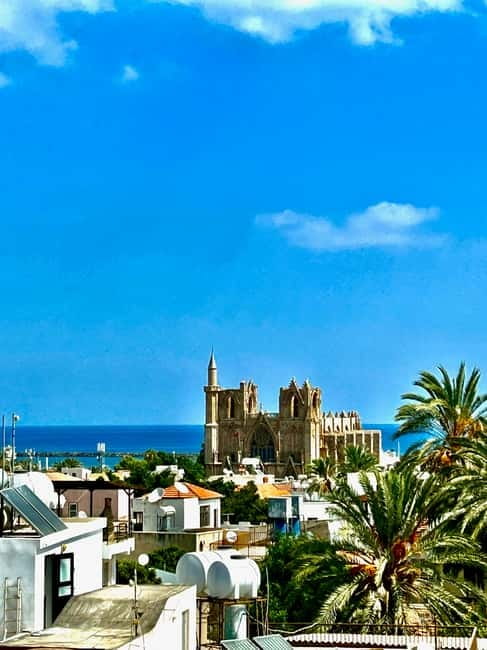
I love the stop at Lala Mustafa Pasha Mosque, especially how its former Cathedral of Saint Nicholas gives you a clear sense of changing identities on the island. I also like the Salamis Roman baths (Sudatorium, Caldarium, Frigidarium), because the site helps you picture everyday life, not just surviving walls.
One thing to consider: this is a 6-hour day with walking on uneven ground, and it is not listed as suitable for children under 14 or for mobility impairments. Bring comfortable shoes and a hat, and plan to take it slower if you need to.
In This Review
- Key highlights worth planning around
- Gazimağusa and Famagusta’s Walls: Why This First Stop Matters
- Exploring Famagusta’s Big Sites: Mosque, Palace Areas, and Medieval Buildings
- Lala Mustafa Pasha Mosque and the Cathedral of Saint Nicholas Story
- Salamis Roman Ruins: Amphitheater, Mosaics, and the Bathing Circuit
- Varosha Ghost Town Option: A District Abandoned Since 1974
- How the Private Guide Changes the Day (Jürgen, English and German)
- Pickup, Timing, and What You Should Bring for a 6-Hour Day
- Price and Value: Is $234 Per Person Reasonable?
- Who This Tour Fits Best
- Should You Book Famagusta and Salamis or Ghosttown With a Private Guide?
- FAQ
- How long is the tour?
- What’s included in the price?
- Is food included?
- What languages will the guide speak?
- Can I choose between Salamis and Varosha?
- What do I need to bring?
Key highlights worth planning around
- Famagusta old town first, so you get context before you go archaeological
- Lala Mustafa Pasha Mosque as a former Cathedral of Saint Nicholas in Gothic style
- City of 365 Churches lore, helpful for understanding the area’s religious layers
- Salamis ruins with Roman bath spaces named Sudatorium, Caldarium, and Frigidarium
- Varosha ghost town option, abandoned since 1974 and left frozen in time
- Small group (up to 4) with English or German guidance
Gazimağusa and Famagusta’s Walls: Why This First Stop Matters
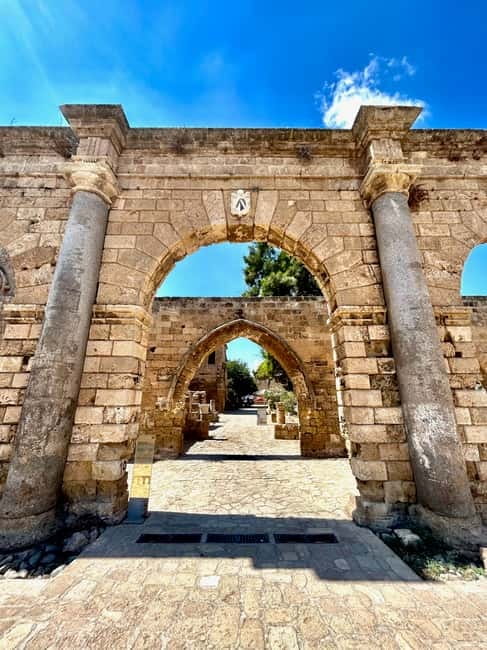
Famagusta is the kind of place where you feel time stacking up. The walled old town setting gives you instant orientation, and that makes every later stop easier to understand. I like doing it first because you start noticing architectural and cultural clues right away.
You’ll walk through historic streets where modern shops and everyday life sit near older stone. That mix is part of the value here. You are not just looking at ruins in a vacuum, you are seeing how people still move through the same neighborhoods.
The vibe is also different from a standard day trip. With a private guide for up to four people, you can follow what interests you most, whether that is churches, medieval defenses, or the way different communities shaped the island.
More crossings to Famagusta and Salamis:
- Ayia Napa/Protaras/Larnaka: Famagusta and Salamis Day Trip
★ 4.7 · 559 reviews - Protaras: Famagusta, Blue Lagoon and Turtle Cove Boat Trip
★ 4.6 · 428 reviews - Ayia Napa: Blue Lagoon, Turtle Cove and Famagusta with BBQ
★ 4.9 · 386 reviews
Exploring Famagusta’s Big Sites: Mosque, Palace Areas, and Medieval Buildings
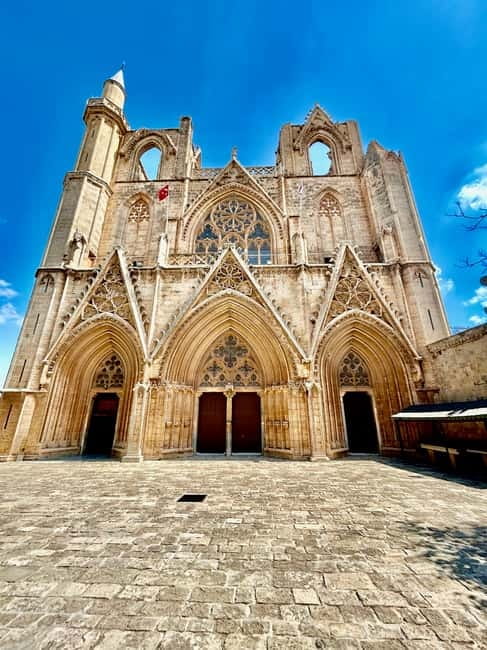
Your time in Famagusta focuses on the main medieval highlights inside and around the walled core. The big draw is how the route threads religious landmarks and civic spaces together, including a major mosque and areas tied to royal or palace history. Even if you only catch a few details on your first visit, the overall flow helps you grasp how the city functioned.
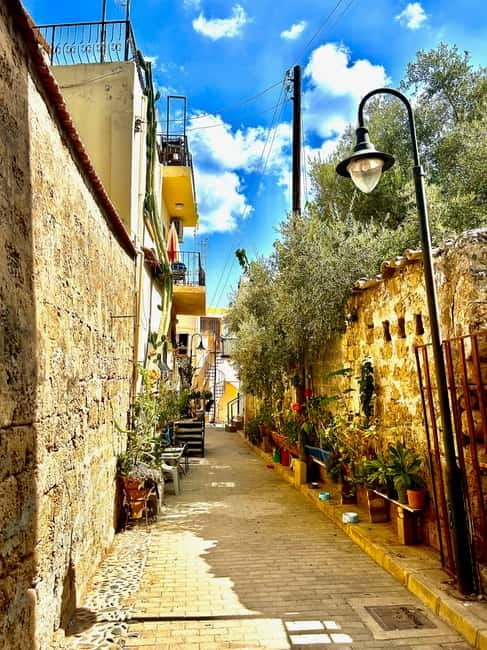
You’ll also get time for smaller moments, like wandering narrow alleys and seeing the local restaurant and shop scene. It sounds simple, but it is useful. When a guide points out what to notice, those alleys turn into a living map of the city’s past and present.
If you want specifics, keep your eyes open for major church sites too, including Barnabas Church, which can be part of this route. That kind of stop matters because it grounds the story in named places, not generic eras.
A practical note: this part of the day can include some uneven walking. Comfortable shoes are not optional. Cyprus stone and old streets have a way of reminding you that you are on foot.
Lala Mustafa Pasha Mosque and the Cathedral of Saint Nicholas Story
This is the moment I usually recommend people circle on their mental calendar. Lala Mustafa Pasha Mosque is famous because it is a major architectural transformation: it originally served as the Cathedral of Saint Nicholas. That history is part of what makes the building so compelling. You can still read the Gothic character even as the site’s role changed over time.
The value for you is perspective. Cyprus has layers, and the mosque gives you a quick, visible way to understand them. Instead of memorizing a timeline, you watch it happen in stone and design.
Your guide should explain what you are looking at, not just point and move on. I like when the narration connects architecture to the island’s shifting communities, because it makes the building feel relevant rather than museum-like.
Plan to take some time here. If you rush, you miss the details that make this stop click.
Salamis Roman Ruins: Amphitheater, Mosaics, and the Bathing Circuit
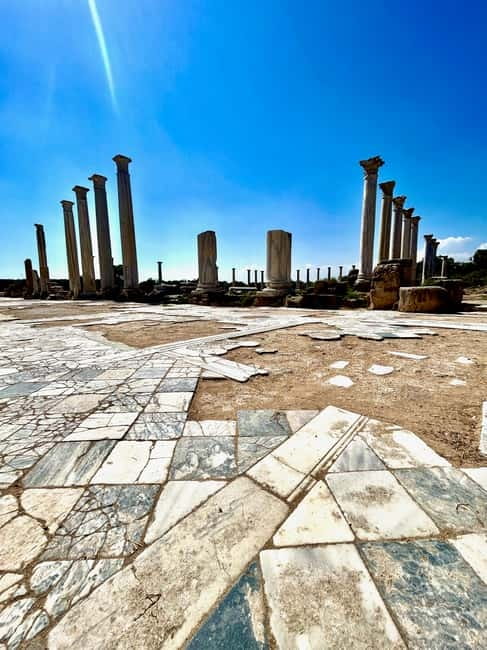
A short trip from Famagusta brings you to ancient Salamis, one of the best ways to see Roman urban life in Cyprus. The ruins have enough scale that you can feel the city layout even when much is gone. For me, that makes the visit more than a quick photo stop.
At Salamis, you’ll focus on key structures such as the grand amphitheater and intricate mosaics. The mosaics are a good clue for craftsmanship and daily aesthetics, and the amphitheater helps you understand public space and entertainment in a Roman city.
Then you get a standout feature for the senses: the Roman baths. The site includes named bath spaces like the Sudatorium (warm bath), Caldarium (steam bath), and Frigidarium (cold bath). Even without going frame-by-frame, seeing these named areas helps you imagine the routine. It is like a physical schedule you can walk through.
If you like “how people lived” archaeology, this stop is a strong reason to book. It is also a good fit for a mixed group, because different people can enjoy different features, mosaics for art lovers, bath architecture for curious minds, amphitheater for history fans.
Varosha Ghost Town Option: A District Abandoned Since 1974
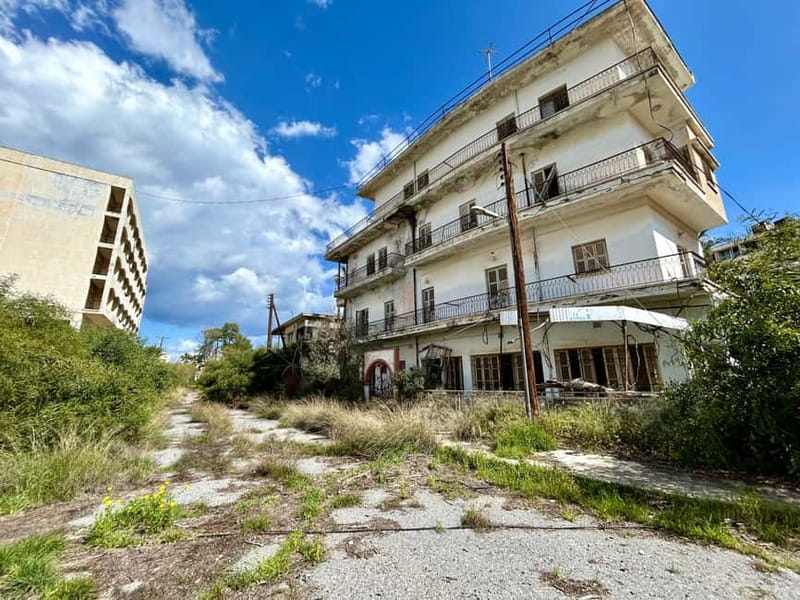
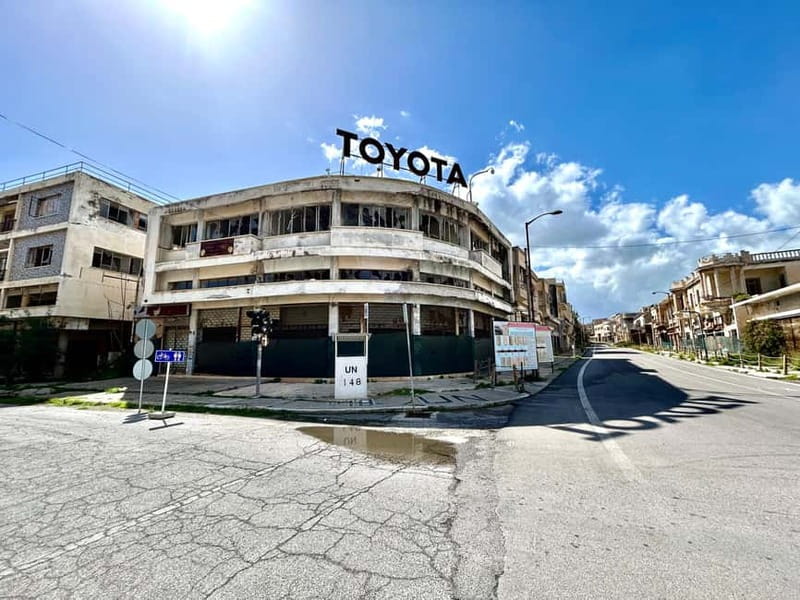
Not every itinerary has to include Salamis. This tour can swap Salamis for Varosha Ghost Town, a district abandoned in 1974 and left in a paused, haunting state.
If you choose Varosha, the experience is more reflective and heavier in tone. You are looking at the afterimage of a community, not at ruins that developed naturally over centuries. That difference matters. It changes what you should expect emotionally.
The practical side is that this option can feel more “state of time” than “architectural tour.” Your guide’s job becomes important here, because context turns the scene from random dereliction into something you can actually understand.
A good approach: if you want both contrast and clarity, pick Varosha when you are focused on recent history and political context. Pick Salamis when you want architecture and older Roman city life.
Either way, you’ll still be in good hands with a private guide who can shape the pacing to your interests.
A few more Cyprus days worth pricing up
How the Private Guide Changes the Day (Jürgen, English and German)
Small group touring sounds nice on paper. In practice, it is the difference between feeling like a passenger and feeling like you are on a shared mission.
In this tour, the guide speaks English and German, and you get picked up directly from your hotel. I like that last part because it removes the stress of figuring out transport, especially when you are crossing between areas and want to spend your energy on the sights.
You also get interaction time. The guide should answer questions and talk through the history and social side of Cyprus, not just list dates. In my experience, that kind of conversation makes the medieval and Roman sites feel connected to real people and real choices.
There is also a flexibility element. For example, the guide can adapt to your wishes and keep things without a harsh time squeeze. That matters when you want to read a bit, take an extra look, or simply move at a slower pace because the sun and stone add up.
One more thing I appreciated: the guide may be able to adjust pacing for someone with limited mobility. Still, the operator lists the tour as not suitable for mobility impairments, so you should use that listing as your safety baseline and talk directly with the provider if you have concerns.
Pickup, Timing, and What You Should Bring for a 6-Hour Day
The tour runs for 6 hours, with hotel pickup and drop-off included. You’ll get a message the day before with the guide name and car details, plus the pickup time. That kind of clear communication is a real comfort when you are traveling through unfamiliar neighborhoods.
Because food is not included, you’ll want to plan for your own lunch or snacks. If you’re choosing between Salamis and Varosha, consider bringing water too, since you might be outside longer than you expect.
What to bring is straightforward, but important:
- Passport or ID card
- Comfortable shoes
- Hat
The site mix also means you will be outside, walking, and doing photo breaks. Even if you are not a big museum person, this is still a day where your body does the work, so dress for movement, not just photos.
Price and Value: Is $234 Per Person Reasonable?
At $234 per person for 6 hours, the price is not “cheap,” but it can be fair value depending on what you care about. Here is what you are paying for based on what is included:
- Hotel pickup and drop-off
- Private tour (small group up to 4)
- Entry tickets to Salamis
- Exploration time in Famagusta old town
- Ghosttown Varosha or Salamis depending on your choice
If you compare the cost to doing this solo with transport and an all-in guide, the private format is the big value driver. For me, what justifies it is the mix of major sights in one coherent day, plus the guide’s ability to explain how the places connect.
Where the price will matter most is if you are the type who enjoys history only in short bursts. If you prefer quick photos and minimal explanation, you might feel the cost more. If you want to understand what you are seeing, you will likely feel the spending is worth it.
Food not included is also a small planning factor. Add a simple lunch budget, and the day becomes much more comfortable.
Who This Tour Fits Best
This tour is a strong match if you:
- Want a focused half-day route through Famagusta and either Salamis or Varosha
- Like a guide who can answer questions and connect history to daily life
- Prefer a small group with enough room to ask follow-ups
- Care about how different eras shaped Cyprus, from medieval architecture to Roman city planning
It may not be the best fit if you need step-free access or you are traveling with kids under 14, since it is listed as not suitable for those cases. Also, if you hate walking, you should reconsider, because even with private pacing, the sites require regular footwork.
Should You Book Famagusta and Salamis or Ghosttown With a Private Guide?
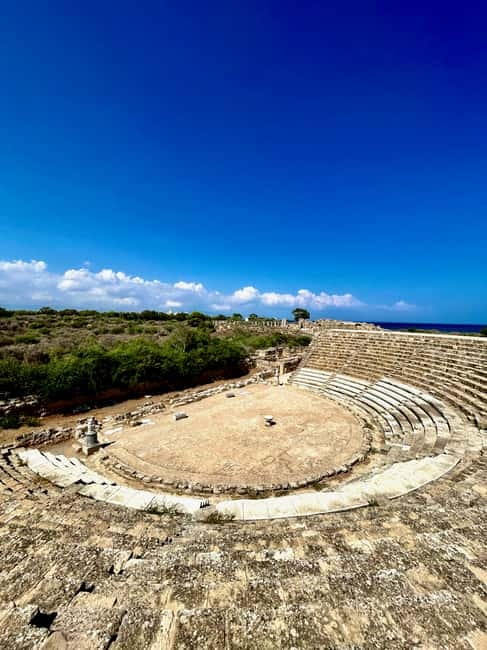
I think this is a good booking if you want one high-impact day that connects medieval Famagusta with either Roman ruins or Varosha’s modern haunting reality. The biggest reason to book is the private guide format, because you get explanations that turn scattered sights into a readable story.
Choose Salamis if you want the Roman bath circuit, amphitheater scale, and mosaics. Choose Varosha if you want the emotional weight and recent-history context of a district abandoned since 1974.
If you are on a tight schedule and want the day to feel organized from pickup to drop-off, this tour structure is a practical win.
FAQ
How long is the tour?
The tour lasts 6 hours.
What’s included in the price?
Hotel pickup and drop-off, a private tour with a live guide, entry tickets to Salamis, exploration of Famagusta old town, and Ancient Salamis or Ghosttown Varosha (depending on the option you choose).
Is food included?
No. Food is not included.
What languages will the guide speak?
The live tour guide speaks English and German.
Can I choose between Salamis and Varosha?
Yes. You can visit Ancient Salamis or instead visit Ghosttown Varosha.
What do I need to bring?
Bring a passport or ID card, comfortable shoes, and a hat.
Just listed around Cyprus
- From Roses to Mountain, Agros (Troodos area)- Wine -Nature Walk★ 5.0 · 1 review
- E-bike tour from Omodos to Milomeris Waterfall-Milia Bridge through Platres.★ 5.0 · 1 review
- 5 Hour trip-Guided Craft Beer Brewery tasting & Cypriot Food Trip★ 5.0 · 1 review
- Green Bay Private Scuba Diving Adventure★ 5.0 · 1 review
- Private 5-Hour Jeep Tour in Cyprus from Ayia Napa★ 5.0 · 1 review
- 2 Hours Private Sunrise Sup with breakfast★ 5.0 · 1 review
- St. Hilarion Castle and Bellapais ruines- with private guide★ 5.0 · 1 review
- Turkish Landmarks in Old Town Nicosia – Private Walking Tour★ 5.0 · 1 review
Famagusta & Ancient Salamis, compared.
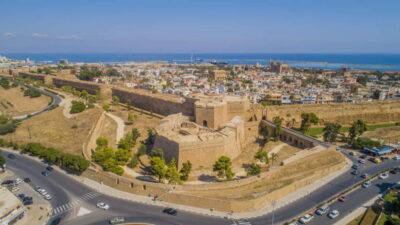
Ayia Napa/Protaras/Larnaka: Famagusta and Salamis Day Trip
Read our review →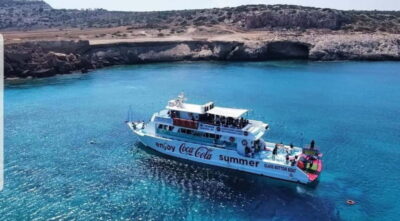
Famagusta, Blue Lagoon and Turtle Cove Boat Trip
Read our review →Blue Lagoon, Turtle Cove and Famagusta with BBQ
Read our review →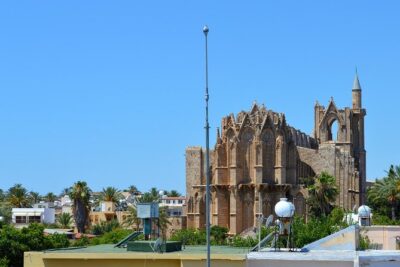
Ghost-Town Famagusta Mini Bus Tour from Protaras and Ayia Napa
Read our review →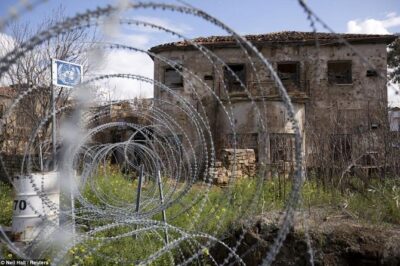
Full-day Famagusta: Lost Cities & Coastal Secrets from Paphos
Read our review →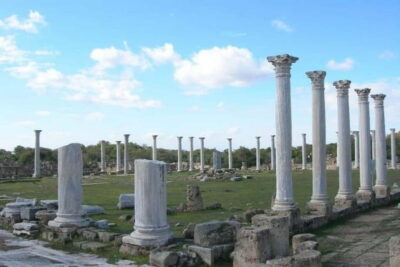
Choirokitia & Famagusta Guided Tour with Transfers
Read our review →
From Aya Napa/Protaras: Varosha Ghost Town Tour on a Red Bus
Read our review →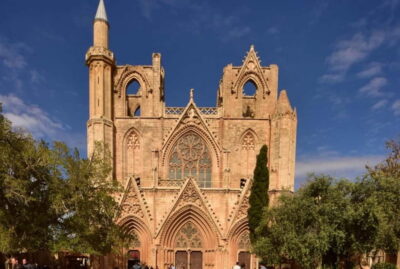
Famagusta & Salamis with a Polish-speaking Guide
Read our review →Browse the lists this tour appears in