
REVIEW · FAMAGUSTA & ANCIENT SALAMIS
From Paphos: Discover Famagusta
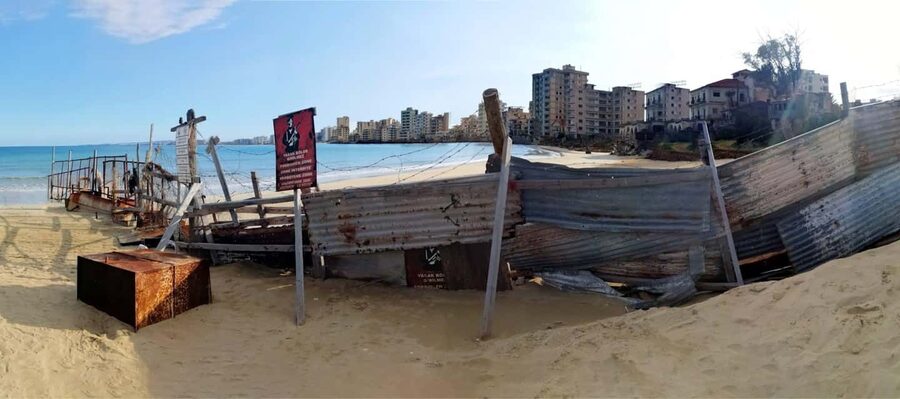
Varosha makes northern Cyprus feel frozen in time. This full-day guided outing strings together three big hitters, starting with Salamis and ending with a walk through the crumbling “ghost town” of Varosha.
I like how the day mixes ancient and modern drama. You get time in Salamis’ ruined temples and a partially restored theatre, then you roam Famagusta’s walled old town with its Venetian defenses and the Gothic cathedral-turned-mosque.
One thing to consider is the pace and language. It runs 12 hours, and real-world timing can swing, including reported pickup delays and sometimes-short stops, so I’d plan for bus time and keep your expectations practical.
In This Review
- Key highlights to know before you go
- A 12-hour day that feels like time travel
- Salamis: temples, theatre, and the name Saint Barnabas
- Famagusta’s old town walls and the cathedral-turned-mosque
- Varosha: walking the ghost town on overgrown streets
- Pickup, documents, and the Strovillia checkpoint reality
- Price and value: what $81 buys you in the real world
- Timing inside the day: lunch breaks and how long you’ll actually see things
- Who should book this tour, and who should skip it
- My take: should you book Discover Famagusta from Paphos?
- FAQ
- How long is the Discover Famagusta tour from Paphos?
- How much does the tour cost?
- What are the main places you visit?
- Is lunch included?
- What does the price include?
- What do I need to bring to join the tour?
- Can I bring luggage or large bags?
- Is the tour suitable for people with mobility impairments or wheelchair users?
- Are there passport restrictions for entering northern Cyprus?
- What is the cancellation policy?
Key highlights to know before you go
- Varosha on foot: a guided walking tour through overgrown streets, rusted shutters, and broken windows
- Salamis ruins with context: ruined temples plus the theatre, with stories that connect to early Christianity
- Famagusta’s walls and big landmarks: Venetians built the defenses you still see today
- The Gothic cathedral-turned-mosque: a signature sight in Famagusta’s old town
- Checkpoint reality: entry into the occupied north depends on your passport and paperwork
A 12-hour day that feels like time travel
This tour is built like a story in three chapters. You start in classical times at Salamis, step into medieval and Venetian-era power at Famagusta, then finish with Varosha, the beach resort abandoned for more than 50 years.
Local guides describe northern Cyprus as stuck on a specific date, 1974. Whether you focus on the history or just the sights, the effect is the same: you’re looking at places that didn’t get to finish the way they were planned.
The practical side matters too. You’ll be in a vehicle for much of the day, and the schedule is weather-dependent, so bring the right shoes and expect a long day rather than a relaxed half-tour.
More crossings to Famagusta and Salamis:
- Full-day Famagusta: Lost Cities & Coastal Secrets from Paphos
★ 4.5 · 274 reviews - Paphos: Choirokitia & Famagusta Guided Tour with Transfers
★ 4.6 · 261 reviews - From Paphos: Famagusta with Salamis and Varosha ‘Ghost Town’
★ 4.6 · 64 reviews
Salamis: temples, theatre, and the name Saint Barnabas
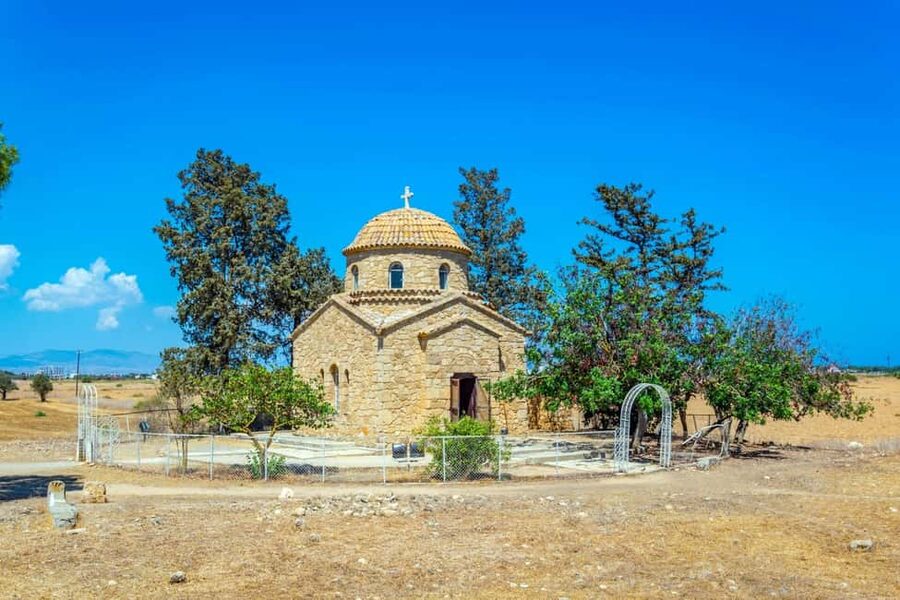
Salamis is where the day earns its “classical” label. You’ll wander among ruined temple areas and see the theatre in a partially restored state, which helps you picture what performances and gatherings would’ve felt like when the city was functioning.
What makes Salamis more than just ruins is the connecting thread your guide brings. One guide points out that Saint Barnabas, who brought Christianity to Cyprus in the first century, is buried in a nearby monastery, so the area starts to feel personal even if you’re only there for a short window.
There’s usually a bit of stop-and-walk time, so wear comfortable shoes and expect dust or uneven ground in the ruins. If you’re the type who likes to linger, remember you’ll have multiple stops that divide your attention, so use your time actively: look for the theatre views first, then circle back for the temple remains.
Famagusta’s old town walls and the cathedral-turned-mosque
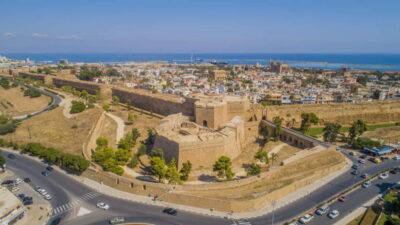
After Salamis, you head to Famagusta, and the old town’s defenses are the first clue that this city was made to be protected. You’ll see walled areas built by the Venetians centuries ago, and your guide will help you understand what you’re looking at rather than treating the streets like a museum with no labels.
In Famagusta, the big-ticket stop is the castle area and the Gothic cathedral-turned-mosque. Even if you’re not a church-architecture specialist, the change in religious use shows up in the building’s form, and your guide’s explanation gives you a way to read it quickly.
One of my favorite details here is the fig tree planted by the Crusaders at the cathedral site. It’s described as the oldest living thing in Famagusta, and knowing that before you spot it on-site makes a simple stop feel meaningful.
You also get free time for lunch on your Famagusta break. If you want to eat slowly, plan for it. If you’re rushing, you’ll still have enough time to grab food and return to the group without stress.
Varosha: walking the ghost town on overgrown streets
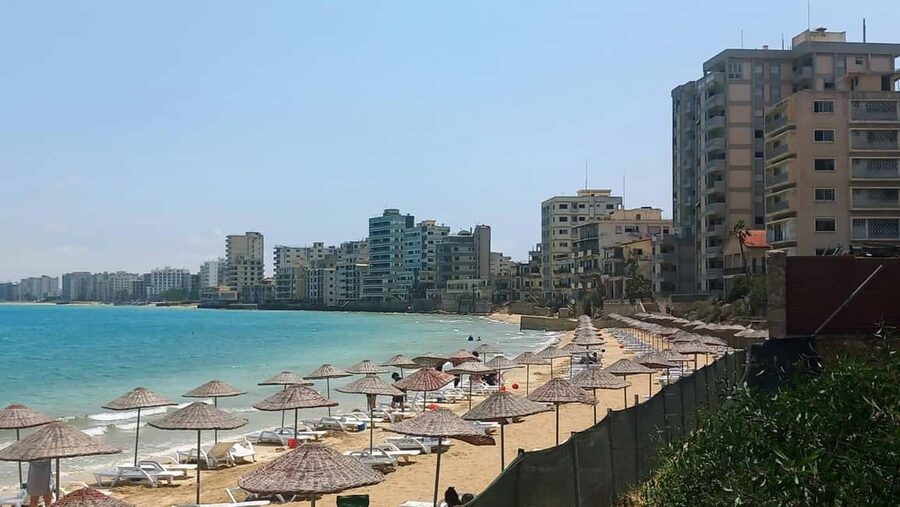
Varosha is the emotional peak of the tour, and the format matters. You’re not just stopping for photos from afar, you’re taking a guided walking tour through the ruins of the former resort.
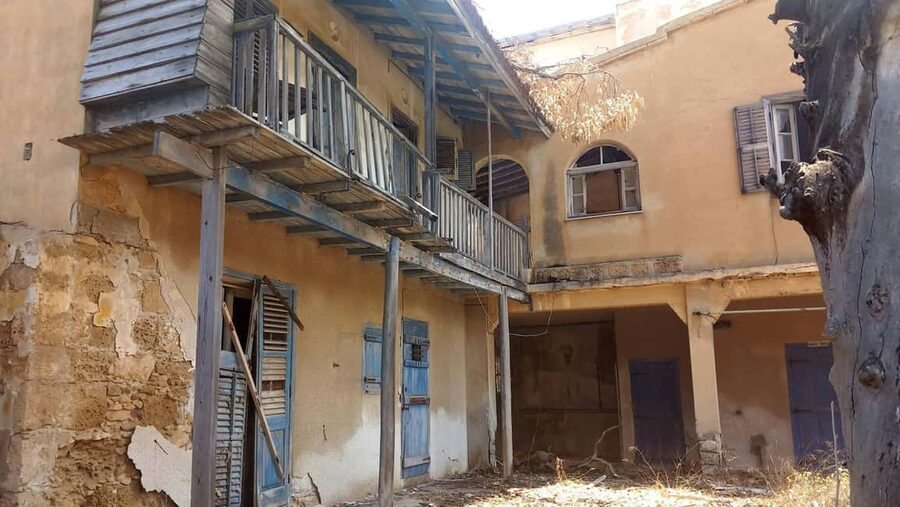
You’ll see crumbling facades, rusted shutters, and broken windows, and the streets feel surreal because nature has clearly taken over. It’s the kind of place where the smallest details make the biggest impression, like the way buildings look unfinished and the way the streets have gone quiet.
The guide’s job is important here. A good guide helps you connect what you’re seeing with the reason the place is abandoned, so the experience becomes more than a photo stop. Guides like Elpida and Stavroula tend to bring that context, and it changes how you process the walk.
One practical point: you’re outside, moving at walking pace, and you’ll want sturdy shoes. If you’re sensitive to crowds, note that this part of the day is likely the most watched, and it can feel busier even when the streets are empty.
Pickup, documents, and the Strovillia checkpoint reality
This tour requires you to cross into northern Cyprus, so your passport routine needs to be solid. You should bring your passport or EU ID card, and the tour notes restrictions at the Strovillia checkpoint.
The restriction is specific: only passport holders from EU member states, the UK, Iceland, Norway, and Switzerland can travel to and from the occupied northern part of Cyprus. If your passport is from elsewhere, double-check before you book, because that’s not a minor detail, it’s the gate.
There’s also extra documentation rules if you’re traveling without both parents and the traveler is under 18. The tour information mentions a letter of authorisation plus supporting documents such as a birth certificate and passport copies, and it strongly suggests consulting a lawyer if needed. If this applies to you, handle it early, because last-minute fixes are risky.
Finally, the tour doesn’t take luggage or large bags. That means you’ll likely want a small day bag and nothing bulky that can slow the group down.
On timing, keep your expectations realistic. One person described pickup as late, and another had trouble with the pickup point not being clear until emails were exchanged. Your safest move is to confirm your pickup details when the operator contacts you, and give yourself a little buffer if your hotel is far from the main pickup route.
Plenty more Things to Do in Paphos


Price and value: what $81 buys you in the real world
At $81 per person for a 12-hour day, the value is strongest if you want structure and coverage. The price includes an English-speaking guide, transport, entrance fees, and full insurance cover in the northern area.
That combination matters because you’re crossing into a politically complex region. Having insurance coverage for the northern area is one of those things you don’t think about until you need it, and it can make the difference in how relaxed you feel about the whole day.
Lunch and drinks are not included, so you should budget separately. You also need to factor in that you’ll be spending a lot of time in the vehicle, which can affect how “worth it” feels if you hate long transfers. If you’re comfortable with a full-day outing and you want to hit three major sites in one go, the bundled format is a good deal.
My advice: treat this as a sightseeing day that aims for breadth, not a slow, deep exploration. If you want deep focus on a single place, you might prefer splitting your time with separate visits. If you want a greatest-hits map of the north, this tour makes sense.
Timing inside the day: lunch breaks and how long you’ll actually see things
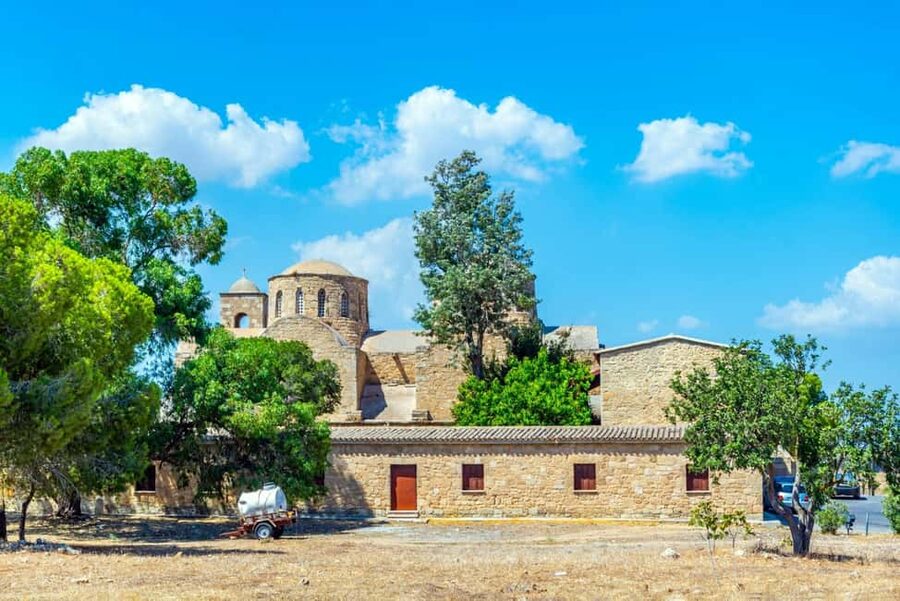
The itinerary is built around three core locations, but the experience is mostly about how long you’re allotted and how efficiently the day runs.
You’ll start with travel from Paphos, then spend time in Salamis. After that comes Famagusta, with guided sights and a lunch break with free time. Then you’ll go to Varosha for the ghost-town walking tour.
In practice, the schedule can feel tight at certain stops. One report described a shorter-than-expected window at Salamis and limited time to explore independently, plus a quick visit to Varosha. That doesn’t mean it will be identical for you, but it does suggest you should plan to see the highlights rather than expect to wander for hours.
The best way to get value is to arrive mentally ready. Bring water, wear shoes that work on uneven ground, and decide in advance what you want most: the theatre view at Salamis, the gothic cathedral details at Famagusta, or the walking streets at Varosha.
Who should book this tour, and who should skip it
This is a strong fit if you want:
- A guided day with entrance fees included
- A single-day overview of Salamis, Famagusta, and Varosha
- A walking component that goes beyond a quick stop at Varosha
It may not be ideal if:
- You need step-free access, because it’s not suitable for mobility impairments and wheelchair users
- You’re traveling with limited patience for long bus days
- You’re extremely language-dependent, since English is provided but one person reported hard-to-follow explanations
If you care most about the Varosha experience, focus your expectations there. The ghost town is the emotional centerpiece, and the walking format makes it a different kind of visit than a photo pull-over.
If you care most about early Christianity connections, aim to pay attention at Salamis and near the monastery area your guide references, because that’s where the story links together.
My take: should you book Discover Famagusta from Paphos?
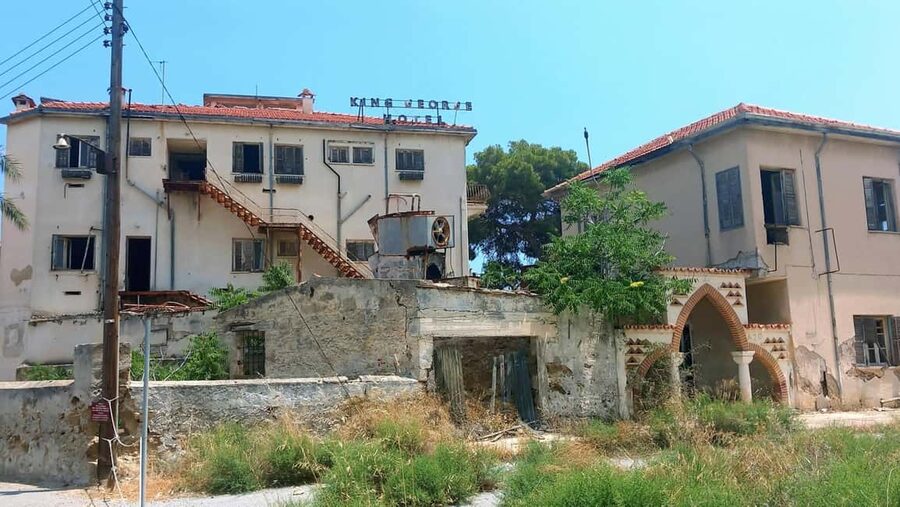
I’d book this if you want a guided “north Cyprus sampler” that hits the big three in one day. The combination of Salamis ruins, Famagusta’s walled old town, and a real walking tour through Varosha makes it feel like you’re seeing both ancient roots and modern consequences on the same itinerary.
I’d think twice if you dislike tight schedules or if you’re worried about pickup clarity. Do your homework on your pickup details, keep your bag simple since luggage isn’t allowed, and plan your day like it’s a sightseeing sprint, not a leisurely roam.
If you’re ready for that, this tour is a memorable, practical way to see a part of Cyprus that feels like it’s frozen mid-story.
FAQ
How long is the Discover Famagusta tour from Paphos?
It runs for 12 hours.
How much does the tour cost?
The price is listed as $81 per person.
What are the main places you visit?
You visit Salamis, Famagusta’s walled old town, and the ghost town of Varosha in the northern part of Cyprus.
Is lunch included?
No. Lunch and drinks are not included.
What does the price include?
The tour includes an English-speaking guide, transport, entrance fees, and full insurance cover in the northern area.
What do I need to bring to join the tour?
Bring a passport or ID card and wear comfortable shoes.
Can I bring luggage or large bags?
No. Luggage or large bags are not allowed.
Is the tour suitable for people with mobility impairments or wheelchair users?
No. It is not suitable for people with mobility impairments or wheelchair users.
Are there passport restrictions for entering northern Cyprus?
Yes. Due to local restrictions at Strovillia checkpoint, only passport holders from EU member states, the UK, Iceland, Norway, and Switzerland can travel to and from the occupied northern part of Cyprus.
What is the cancellation policy?
You can cancel up to 24 hours in advance for a full refund.
Just listed around Paphos
- Local Wineries Tour with Wine Testing from Paphos★ 5.0 · 1 review
- Experience Troodos Gems Shared Tour★ 5.0 · 1 review
- Pafos: Ancient Cyprus and Coastal Landmarks★ 5.0 · 1 review
- Private Transfer from Paphos Airport to Limassol City★ 5.0 · 1 review
- Paphos & Limassol: FAMAGUSTA – Salamis & Varosha Ghost Town★ 5.0 · 1 review
- “Paphos Private Tour: Akamas, Avakas, Turtle Bay & Winery”★ 5.0 · 1 review
- Discover Essence of Cyprus Wines: Private Tsangarides Winery Tour★ 5.0 · 1 review
- Pafos Zoo Visit & Blue Lagoon Cruise with Local Guide from Paphos★ 5.0 · 1 review
Famagusta & Ancient Salamis, compared.
Ayia Napa/Protaras/Larnaka: Famagusta and Salamis Day Trip
Read our review →
Famagusta, Blue Lagoon and Turtle Cove Boat Trip
Read our review →Blue Lagoon, Turtle Cove and Famagusta with BBQ
Read our review →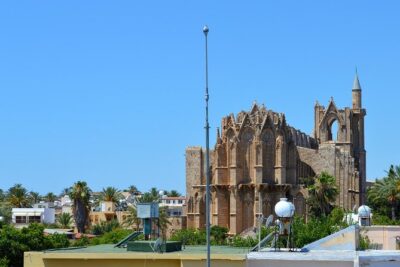
Ghost-Town Famagusta Mini Bus Tour from Protaras and Ayia Napa
Read our review →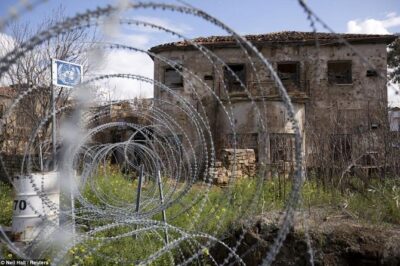
Full-day Famagusta: Lost Cities & Coastal Secrets from Paphos
Read our review →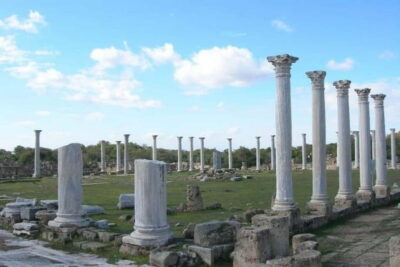
Choirokitia & Famagusta Guided Tour with Transfers
Read our review →
From Aya Napa/Protaras: Varosha Ghost Town Tour on a Red Bus
Read our review →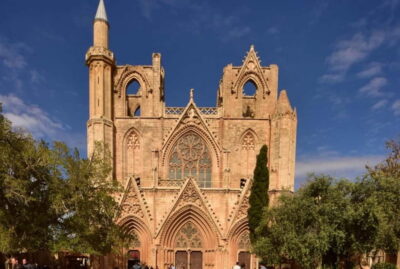
Famagusta & Salamis with a Polish-speaking Guide
Read our review →Browse the lists this tour appears in