
REVIEW · DISCOVER SCUBA & WRECK DIVES
Open Water Course Scuba Diving
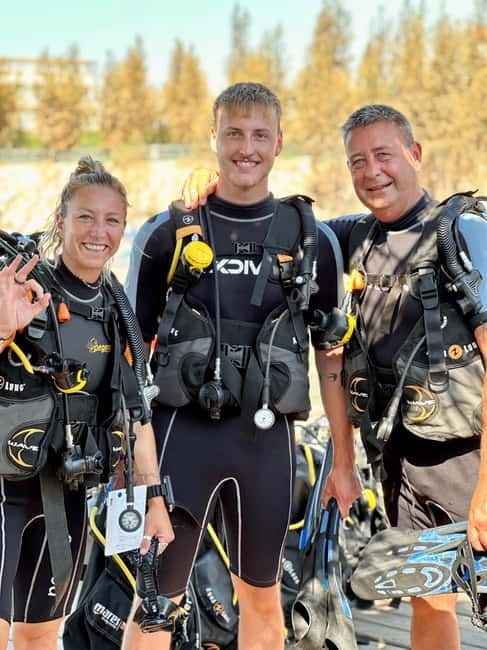
Cyprus teaches you to breathe underwater fast. The Open Water Diver course in the Nicosia District is built for beginners who want a structured path from equipment basics to confidence in real ocean conditions. You get a small group format, professional guidance, and hands-on practice with the exact skills you need to feel in control under pressure.
What I like most is the way the training mixes safety thinking with practical drills, especially around buoyancy and key mask and regulator skills. I also like that you’re not left to figure things out alone, because all necessary equipment and everyday transportation are included. One consideration: food and drinks are not included, so you will want to plan your meals around the day’s schedule.
In This Review
- Key Highlights That Matter for Beginners
- First Steps in Nicosia District: What This Open Water Course Really Gives You
- Small Group Lessons (Up to 6): Why Your Progress Is Faster
- Classroom to Setup: Safety Protocols and Equipment Use That Click
- Confined Water Skills That Make Open Water Feel Possible
- Buoyancy control
- Mask clearing
- Regulator recovery
- Open-Water Practice in Real Ocean Conditions
- What the $530 Price Covers, and Where Value Shows Up
- Getting Picked Up and Keeping the Day Smooth
- Languages and Instructors: Learning in the Comfort Zone
- Practical Tips That Help You Enjoy Every Water Session
- Keep your body ready for repeated practice
- Don’t overthink the gear
- Treat each skill as a routine
- Who This Course Is Best For (And Who Should Skip It)
- Should You Book This Open Water Course in Cyprus?
Key Highlights That Matter for Beginners
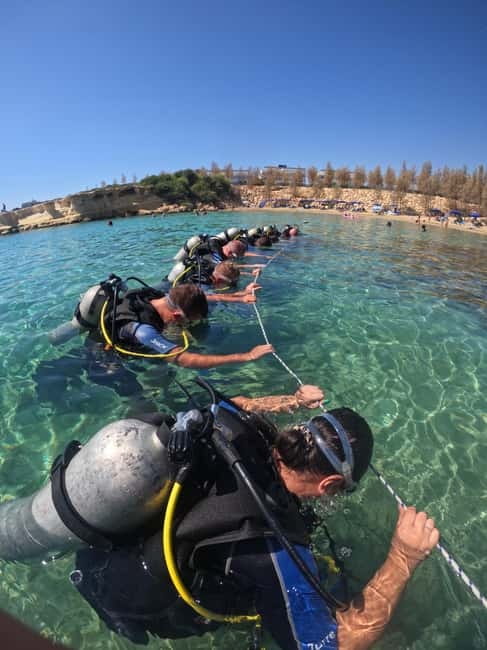
- Small group up to 6 participants, so you get real attention, not “everyone share one instructor”
- 84 hours total course duration, spread across classroom learning plus sheltered and open-water sessions
- Skill practice you can actually feel, including buoyancy control, mask clearing, and regulator recovery
- Real ocean training, so you build comfort where conditions are less predictable than a pool
- Certification to 18 meters with a buddy, giving you a clear target for next steps after the course
- All gear included, which saves money and avoids the stress of buying the wrong kit
First Steps in Nicosia District: What This Open Water Course Really Gives You
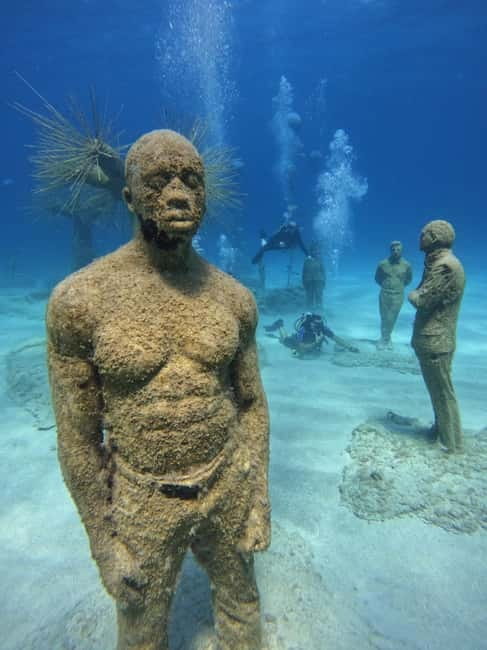
This is the classic beginner “from zero to certified” scuba path, with an internationally recognized end result. If you’re new, that matters because the course isn’t just about going in the water, it’s about learning a repeatable system for staying safe and calm.
Your end goal is straightforward: after successful completion, you’re certified to explore underwater with a buddy to a maximum depth of 18 meters. That depth limit isn’t random. It’s a practical boundary that matches what beginners can manage while they still build strong habits, like checking gear and controlling breathing and buoyancy.
Another thing I appreciate is the course design rhythm. You’re not thrown into open water immediately. You learn principles and safety protocols first, then you build the skills in controlled conditions, and only after that do you apply them in real ocean settings. That progression is exactly what makes the experience feel manageable.
Plenty more Diving Trips in Protaras
- Cyprus: Introductory Scuba Lesson and Dive with Transfer
★ 4.9 · 682 reviews - Private Discovery Dive + Photos & Videos
★ 5.0 · 577 reviews - Try a Scuba Diving Experience
★ 5.0 · 400 reviews
Small Group Lessons (Up to 6): Why Your Progress Is Faster
A lot of scuba learning goes wrong when the class is too big. You end up waiting your turn, rushing drills, or feeling self-conscious. Here, the group is limited to 6 participants, which changes the whole vibe of training.
In a small group, instructors can notice the small stuff early. That could be how you hold your mask, your breathing rate, how you distribute weight, or how steady your body position is during a drill. Those tiny details are where confidence comes from. Instead of guessing, you get immediate corrections.
It also helps with communication. If you’re learning in English but your instructor switches to another language when needed, it makes a difference. The instruction team can work in Swedish, Greek, English, and Russian, so the course can feel accessible even if your comfort level with scuba terms is still low.
Classroom to Setup: Safety Protocols and Equipment Use That Click
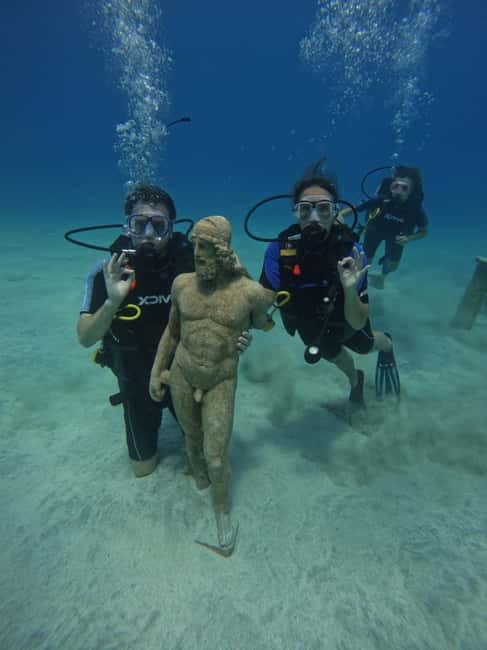
Before you ever rely on your gear underwater, you learn what the gear does and how it fits into safety. That includes diving principles, safety protocols, and equipment use. Even if you’re eager to jump in, this part matters because it teaches you the “why” behind your actions.
You’ll also learn how the equipment should be handled and checked, which is a huge confidence booster for beginners. When you understand what each piece is for, you stop treating your kit like a mysterious bundle. You start treating it like a tool you know how to manage.
Because all the necessary equipment is included, you don’t have to worry about arriving with the wrong size or the wrong setup. That can be the difference between a great first day and a stressful one. In practice, it means you can focus on the learning, not on troubleshooting gear before you even begin.
Confined Water Skills That Make Open Water Feel Possible
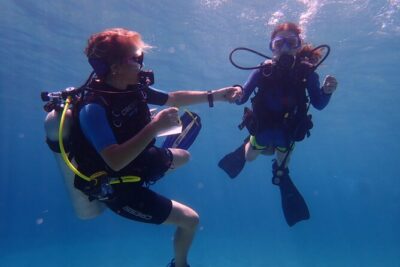
The heart of beginner training is skill repetition. You’ll practice essential underwater tasks meant to keep you stable and in control. The course highlights the skills that usually matter most when you’re new: buoyancy control, mask clearing, and regulator recovery.
Buoyancy control
Buoyancy is your foundation. When you get this right, you stop fighting the water and start moving with it. In training, buoyancy control is taught so you can hover with less effort, avoid kicking up silt, and reduce the stress that comes from feeling like you’re floating away or sinking.
Same coast, a different sort of afternoon:


Mask clearing
Mask problems happen to nearly every beginner at some point. The ability to clear your mask without panic keeps everything calm if water gets where it should not. You learn the mechanics and the mental routine, so it feels like a normal step rather than a crisis.
Regulator recovery
Regulator recovery is about regaining safe breathing if equipment comes loose or is not positioned correctly. This is a skill that builds trust in your ability to respond instead of freeze. Even if you never plan to have an equipment issue, practicing the response turns fear into preparedness.
The reason these skills matter is simple: they remove uncertainty. When your brain knows what to do, you spend less energy panicking and more energy noticing the underwater world.
Open-Water Practice in Real Ocean Conditions
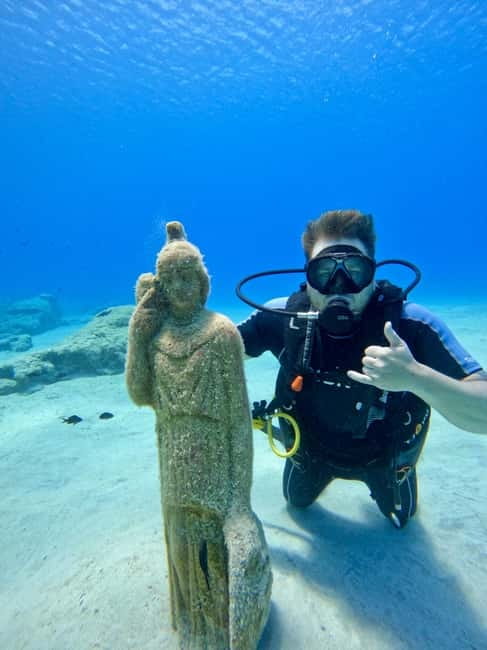
The course includes real ocean settings, which is where beginner training becomes meaningful. In controlled conditions, the water can be calmer and more predictable. Out in real ocean water, conditions can change, visibility can vary, and you must rely on your skills.
This is where you apply what you learned, so your buoyancy control actually works in a natural environment. It’s also where you learn how your breathing and positioning affect how you move. With the right technique, you stop feeling like you are being pulled around and start feeling like you are managing the dive.
You also complete the learning path that leads to certification, which is why the open-water sessions are more than just a fun outing. They’re part of building the competence needed to explore within the certification limits: a maximum depth of 18 meters with a buddy.
What the $530 Price Covers, and Where Value Shows Up
At $530 per person for a listed 84 hours course duration, you’re paying for more than a couple of fun water moments. You’re paying for instruction, training time, equipment, and day-to-day support.
Here’s what you can expect to be covered:
- all necessary diving equipment
- instruction from experienced, certified dive instructors
- your certification card after completion
- transportation every day
- the overall guided experience
That last point matters. Beginner courses are expensive when you start adding the hidden costs: gear rentals, separate transport, and extra days because you’re not fully prepared. Having equipment and transportation included helps you keep the learning efficient.
What’s not included is food and drinks. That’s normal for many course packages, but it’s worth calling out because you can easily spend more on meals than you expect if you’re away from your hotel all day. Plan to bring extra cash, or budget for meals near the pickup area.
Getting Picked Up and Keeping the Day Smooth
Transportation is included, and pickup is part of the plan. You just need to contact the provider after booking so they can arrange the pickup location and time. That’s a small step, but it makes the difference between a stress-free morning and a frantic start.
Also note the vehicle rules. Drinks in the vehicle are not allowed, and alcohol or drugs are not allowed. Alcoholic drinks in the vehicle are also not allowed. If you’re traveling with friends and you plan to celebrate after class, keep it in mind for when and where you’ll go next.
What to bring is also simple: beachwear. That’s good news if you like traveling light. You still want to have practical swim gear and be ready to get changed quickly between training segments.
Languages and Instructors: Learning in the Comfort Zone
One of the underrated parts of beginner training is communication. If you can’t understand instructions clearly, you waste energy on translation instead of learning skills.
This course lists instructors who can teach in Swedish, Greek, English, and Russian. Even if you speak only one language, it’s a reassuring setup. It means the team is used to mixed language needs, and you’ll have a better chance of understanding the key points the first time around.
The small group setup adds to that. You can ask questions, get clarifications, and practice until the movement and routine feel natural.
Practical Tips That Help You Enjoy Every Water Session
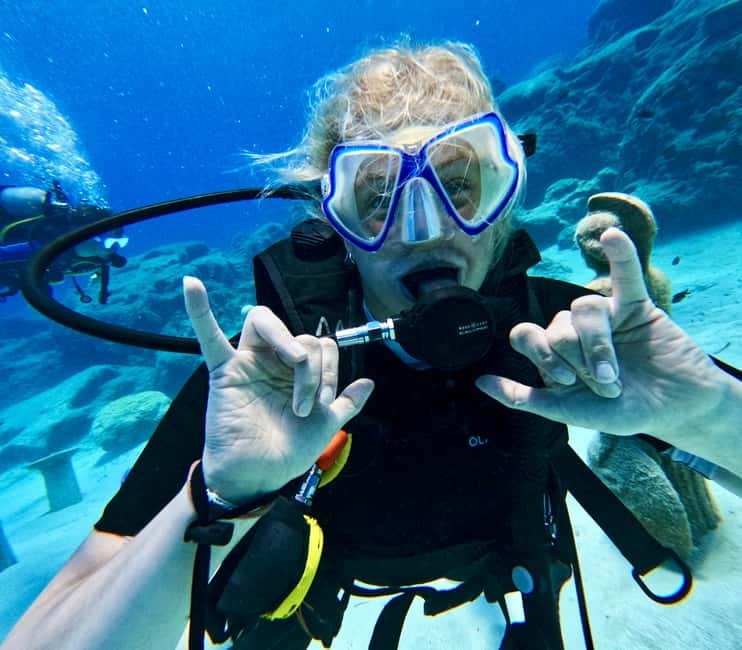
You’ll learn better if you show up ready, not rushed. Here are a few practical choices that line up with the course style and what beginners usually struggle with.
Keep your body ready for repeated practice
This is a course with multiple skill repetitions across the total duration. That means you’ll likely be active more days in a row than you’re used to on vacation. Eat what works for you, hydrate normally, and wear something you can move in comfortably between sessions.
Don’t overthink the gear
Because all necessary equipment is included, you’ll get what you need. Focus on how it feels and how it functions during checks. If something doesn’t feel right, tell your instructor before you start the session.
Treat each skill as a routine
Buoyancy control, mask clearing, and regulator recovery are not one-time tricks. They’re habits. The more calmly you practice them, the less they will steal attention when conditions are slightly more challenging in open ocean waters.
Who This Course Is Best For (And Who Should Skip It)
This is built for beginners who meet the requirements. The course is for participants who are at least 10 years old, and it requires adequate swimming skills and physical health. It’s also not suitable for some people based on listed safety constraints.
Not suitable for:
- children under 10 years old
- people over certain weight limits listed by the provider (the info includes cutoffs around 125 kg to 150 kg, and the corresponding pounds are also listed)
- people with altitude sickness
- people over 70 years old
- hearing-impaired people
- children under 3 ft (90 cm)
Because those limits are part of the safety rules, it’s worth taking them seriously. If you are near any cutoff, ask the provider for confirmation before you book.
This course is a good match if you:
- want internationally recognized certification
- want a structured progression from safety to skills to open ocean practice
- prefer a small group experience where you can ask questions
- plan to keep diving as more than a one-off vacation activity
Should You Book This Open Water Course in Cyprus?
Book it if you want a real skill-based path to certification, with equipment handled for you and transportation included. The price is easier to justify when you see what’s included: instruction, gear, daily transport, and your certification card, not just a single day in the water.
Skip it or reconsider if you hate the idea of planning around multiple days, or if you know you are sensitive to water conditions and need extra accommodations. Also, if you fall into any of the listed “not suitable” categories, don’t try to push it. This course is designed for safety, and it follows that logic.
If you’re a beginner ready to learn the fundamentals step by step, this is exactly the kind of course that turns first-time nerves into dependable underwater skills.
Just listed around Protaras
- 5 Hour trip-Guided Craft Beer Brewery tasting & Cypriot Food Trip★ 5.0 · 1 review
- Green Bay Private Scuba Diving Adventure★ 5.0 · 1 review
- Cyprus Private Transfer from Pernera to Larnaca (LCA) Airport★ 4.0 · 1 review
- 4 hour Guided kayaking trip along east Cape Greko★ 5.0 · 1 review
- 1-Hour Wine Tasting Experience in Protara★ 4.0 · 1 review
- Famagusta Ghost Town & Varosha Insightful★ 5.0 · 2 reviews
- Protaras: 3-4 Day PADI Open Water Diver in Protaras★ 5.0 · 2 reviews
- Protaras: -PRIVATE CRUISE CHARTER – up to 60 people★ 5.0 · 2 reviews
Discover Scuba & Wreck Dives, compared.
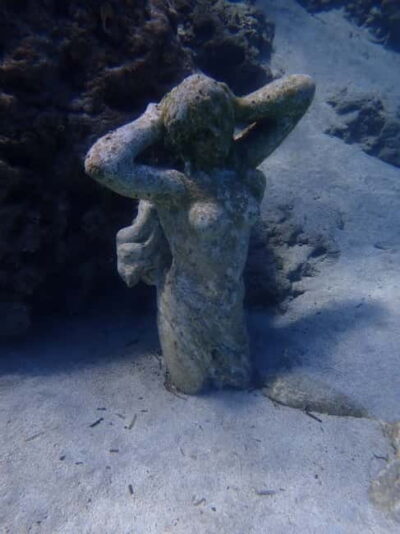
Introductory Scuba Lesson and Dive with Transfer
Read our review →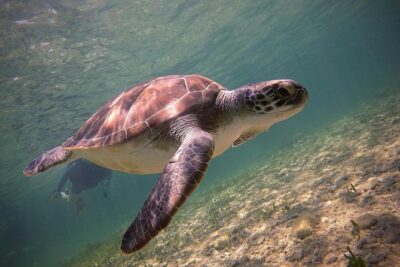
Half-Day Scuba Diving Tour – Discover Scuba Diving!
Read our review →
Browse the lists this tour appears in