
REVIEW · THINGS TO DO IN PROTARAS
Protaras: 3-4 Day PADI Open Water Diver in Protaras
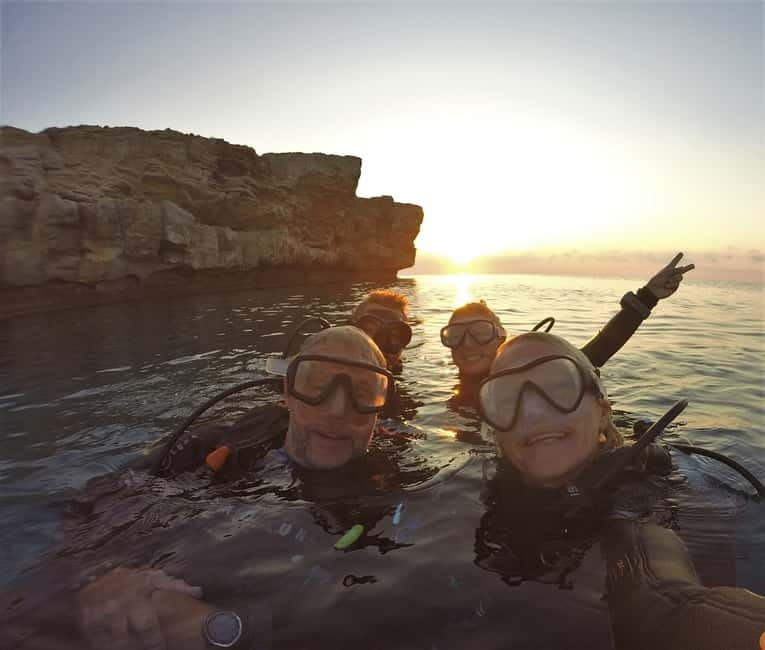
Your first underwater breath is closer than you think. In Protaras, this 4-day PADI Open Water certification course takes you from total beginner to scuba-ready, with hotel pickup from Ayia Napa, Protaras, or Paralimni. You’ll train in Cyprus waters and finish with the kind of credentials that open doors worldwide.
Two things I really like: first, the course keeps groups tight, max 4 students per instructor, which makes it easier to get quick feedback when you’re learning. Second, the price bundles a lot that usually gets tacked on later, like equipment rental, PADI materials, and certification fees, plus lunch and drinks.
One consideration: you do spend real time in pool or confined-water practice before you get out on the open water. If you’re expecting the whole trip to be scenery and swimming, this part may feel more like training than play.
In This Review
- Key things to know before you go
- Protaras and the Sea Caves: why this coast works for first-time certification
- The 4-day PADI Open Water timeline, in plain terms
- Knowledge sessions: how you stop guessing underwater
- Pool and confined-water practice: where confidence gets built
- Open-water training around Ayia Napa Sea Caves: the fun part, guided
- Small group coaching that actually helps you learn
- Price and value: what $565 really covers
- What to bring (and what you can skip)
- Where you start from: pickup across Ayia Napa, Protaras, and Paralimni
- Who this course suits, and who should think twice
- The professional touch: what stands out about how it’s run
- Should you book this Protaras Open Water course?
- FAQ
- How long is the PADI Open Water course?
- Where is pickup included from?
- What languages are the instructors?
- How many students are in a group?
- What’s included in the price?
- What should I bring?
- Who is this course not suitable for?
Key things to know before you go
- Small group coaching (max 4 students per instructor) helps you learn faster and feel calmer
- Pickup from Ayia Napa, Protaras, or Paralimni means less logistics before class starts
- PADI teaching materials and certification fees included, so you’re not hunting for paperwork later
- All scuba equipment rental included, which is a big cost saver for a first course
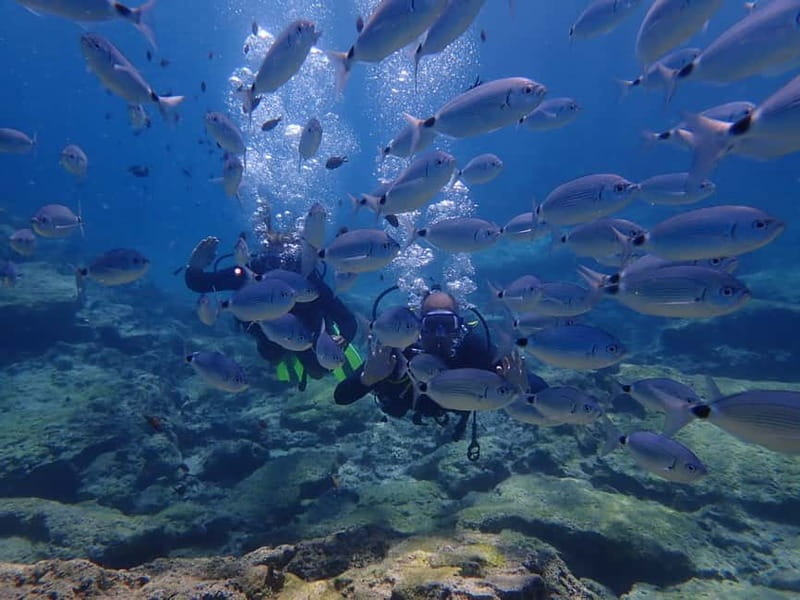
- Open-water training swims around Ayia Napa Sea Caves gives your certification something memorable
- English and German instruction helps if you want comfort on day one
Protaras and the Sea Caves: why this coast works for first-time certification
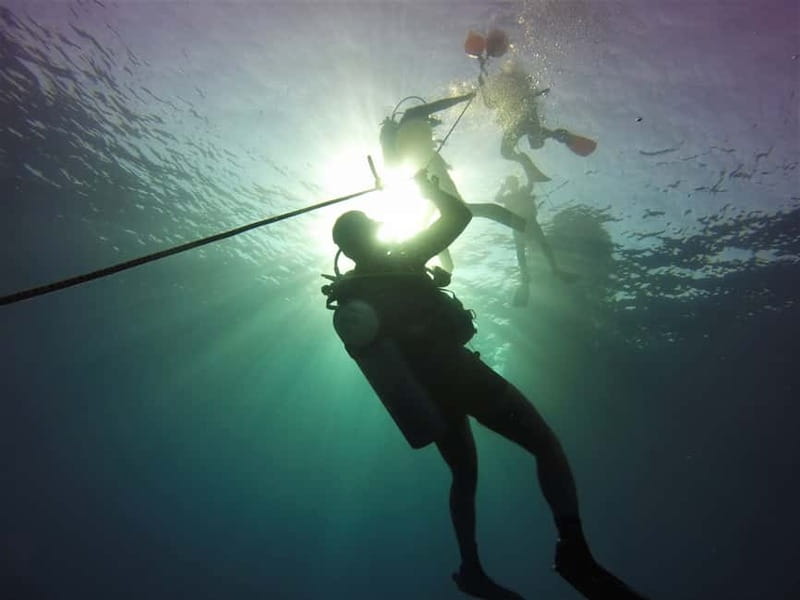
Protaras is a smart starting point for scuba basics because it’s built for easy, repeatable practice. You can focus on what matters: learning buoyancy, breathing, and how to move underwater without fighting the environment. The course is also designed for people with little or no experience, so you’re not expected to already know how scuba gear should feel.
What makes this specific training area interesting is the plan for your open-water time. Instead of just doing generic, straight-line swims, you get to train in the vicinity of the Ayia Napa Sea Caves. That matters because first certification is as much about building confidence as it is about technical skills. When the underwater world has a natural “wow” factor nearby, it’s easier to stay relaxed and curious while you practice.
Plenty more Things to Do in Protaras
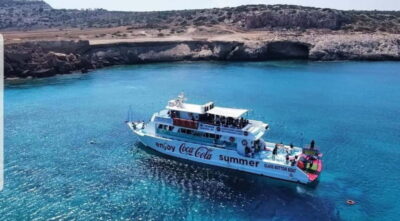
- Protaras: Turtle Cove & Blue Lagoon Cruise
★ 4.7 · 2,626 reviews - From Protaras: Cruise to Blue Lagoon, Turtle Cove & Sea Cave
★ 4.6 · 1,195 reviews - Cyprus: Introductory Scuba Lesson and Dive with Transfer
★ 4.9 · 682 reviews
The 4-day PADI Open Water timeline, in plain terms
This is a beginner-focused PADI Open Water course that typically runs 3 to 4 days, and the listing you’re looking at is set up as a 4-day experience. You go step by step, and each step is meant to remove one kind of uncertainty.
Here’s the flow you should expect:
1) Knowledge development sessions
You learn the essentials of scuba safety and skills, using PADI teaching materials. This is where you build the mental checklist you’ll use again and again, long after the course ends.
2) Pool or confined-water practice
This is where the class becomes hands-on. You practice key scuba skills in controlled, pool-like conditions so the gear feels familiar before you’re in open water.
3) Open-water training swims
Now you apply what you learned, with your instructor guiding you. Your open-water experience includes time around the Ayia Napa Sea Caves, which gives you a more real-feeling underwater setting.
If you’re wondering how “serious” this is, it’s structured as a real certification course, not just a quick try. The small group size and the full PADI teaching sequence are built for turning a non-scuba student into someone who can carry a standard certification.
Knowledge sessions: how you stop guessing underwater
The knowledge part is often where people either feel intimidated or feel relieved. The relief happens because you’re not trying to memorize random scuba terms. You’re learning what you need so you can make calm decisions when something changes underwater.
You also get PADI teaching materials included, which is practical. On your first course, it helps to have everything organized for you. You’re not bouncing between apps, random PDFs, and half-missing notes.
This section also matters because it shapes how you practice later. When you understand why you’re doing a skill, you tend to do it more smoothly. That translates into better buoyancy and less stress. In other words, it’s not just classroom time.
Pool and confined-water practice: where confidence gets built
In a first certification, the pool or confined-water part is where you learn how to breathe with the regulator, how to manage your buoyancy, and how to handle the little moments that feel big when you’re new.
This course keeps that practice in a controlled setting. That’s key because you’re learning multiple skills at once, and you want the environment to be predictable. If you’re worried about getting overwhelmed, this structure is a good sign. You practice the skills first, then your instructor can help fine-tune the technique.
Also, because the group is capped at 4 students per instructor, you’re less likely to feel like you’re just waiting your turn. You get more targeted help when something isn’t clicking.
Open-water training around Ayia Napa Sea Caves: the fun part, guided
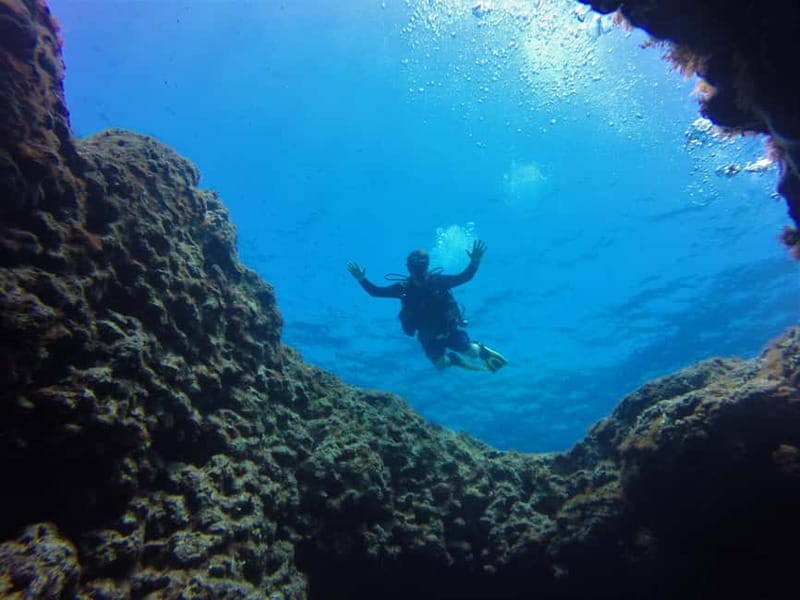
Once you’re past the controlled practice, you move into open water. This is the stage where your course stops being “learning” and starts becoming a real underwater day.
The plan includes swimming in the area of the Ayia Napa Sea Caves. Even without turning this into a stunt performance, sea caves bring a different feel than open water alone. You’ll likely notice changes in how light hits the water, plus new shapes and distances that make you pay attention to spacing and control.
Your instructor is there to keep the focus on safety and technique. That’s the sweet spot for a first course. You get to experience something special, while also practicing the foundational skills that will matter on every future scuba trip.
And yes, this is where the whole thing feels like it clicked. Most people don’t forget the first time they can move smoothly underwater while staying calm and balanced.
Same coast, a different sort of afternoon:

Small group coaching that actually helps you learn
A lot of courses promise personalized learning. This one gives you a real number to anchor that promise: maximum 4 students per instructor.
That single detail changes the class experience. With fewer people in the water, your instructor can:
- correct technique faster
- watch your breathing and buoyancy more closely
- repeat a skill if you need it, without making you feel rushed
- adjust the lesson to your comfort level
It also helps with communication. The instructors are listed as English and German, so you should be able to pick up instructions comfortably if you’re in one of those languages.
Another practical benefit: when you’re in a small group, you typically spend less time waiting around. That keeps momentum up, which matters when you’re learning something physical and new.
Price and value: what $565 really covers
At $565 per person for a 4-day experience, the key question is what you’re getting beyond the credit card total.
Here’s what’s included:
- hotel pickup and drop-off
- an instructor
- PADI teaching materials and certification fees
- all equipment rental
- lunch and drinks
For a first-time course, equipment rental and certification fees are often the parts that catch people off guard. Having them included is a big part of why the price can feel fair. It reduces decision fatigue too. You don’t need to figure out what gear you need, where to buy it, or what costs are separate.
Pickup and drop-off also add value. Getting to training points matters, especially when you’re juggling a schedule full of classroom sessions and water practice. This kind of included transfer keeps your day calmer.
My rule of thumb: if you’re new to scuba and you don’t already have gear or training materials, an included-fees, included-gear course is often better value than piecing everything together.
What to bring (and what you can skip)
The packing list is refreshingly simple:
- Swimwear
- change of clothes
- towel
That’s a good sign. It suggests the training center expects you to show up ready and keeps the rest handled. Still, I’d plan to think about comfort around water time. You’ll likely dry off and change between sessions, so having a real change of clothes helps.
If you wear anything that makes it hard to move, you’ll notice it fast. Go for practical swimwear you can keep on for the day’s schedule, then change later when you’re done.
Where you start from: pickup across Ayia Napa, Protaras, and Paralimni
One of the easiest wins here is that pickup is included from your accommodation in Ayia Napa, Protaras, or Paralimni when the activity starts.
That means less hassle on the day you’re trying to focus. When you’re learning scuba basics, nerves are normal. The last thing you need is extra travel stress before your first skills session.
It also makes the experience more flexible if you’re staying somewhere popular on the coast. You don’t have to relocate just to get to the course.
Who this course suits, and who should think twice
This PADI Open Water certification course is set up for beginners. It’s also open to anyone who wants to gain the standard scuba credential, even if you have prior experience. In other words, it’s not a one-size-fits-all “only for total beginners” setup, but it is clearly friendly to newcomers.
It is not suitable for:
- children under 10 years
- pregnant women
- wheelchair users
If any of those apply, it’s best to skip this exact option and look for alternatives that match your needs safely.
The professional touch: what stands out about how it’s run
One reason this course earns strong feedback is the feeling that it’s built for proper certification, not just a quick curiosity session. You’re not just trying scuba for a moment. You’re going through the full PADI structure, which is why people who finish it tend to recommend it for real beginners who want a lasting result.
That matters because a first course can go two ways. It can either leave you excited but uncertain, or it can leave you equipped with skills and knowledge that make future dives or underwater trips feel manageable. A well-run Open Water course aims for that second outcome, and the small group approach supports it.
Should you book this Protaras Open Water course?
If you want a straightforward path to PADI Open Water certification, and you like the idea of learning in a small group with pickup, included equipment, and a clear step-by-step structure, then this is a solid choice.
I’d especially recommend booking if:
- you’re truly new and want pool practice before open water
- you want structured knowledge development, not guesswork
- you don’t want to deal with gear rental or certification paperwork separately
- you’re excited by the idea of open-water time around the Ayia Napa Sea Caves
I’d think twice if:
- you’re not comfortable with the physical part of training in pool or confined water first
- you fall into the listed “not suitable” categories
If your goal is to learn scuba properly and leave with a credential you can use later, this course checks the main boxes. The price is easier to justify when you see what’s included, and the small group size is the kind of detail that quietly changes everything.
FAQ
How long is the PADI Open Water course?
The course is listed as a 4-day experience, based on a 3 to 4 day PADI Open Water program.
Where is pickup included from?
You’ll be picked up from your accommodation in Ayia Napa, Protaras, or Paralimni when the activity starts.
What languages are the instructors?
Instruction is available in English and German.
How many students are in a group?
The group is limited to a maximum of 4 participants per instructor.
What’s included in the price?
The price includes hotel pickup and drop-off, the instructor, all PADI teaching materials and certification fees, all equipment rental, and lunch and drinks.
What should I bring?
Bring swimwear, a change of clothes, and a towel.
Who is this course not suitable for?
It is not suitable for children under 10 years, pregnant women, and wheelchair users.
Just listed around Protaras
- 5 Hour trip-Guided Craft Beer Brewery tasting & Cypriot Food Trip★ 5.0 · 1 review
- Green Bay Private Scuba Diving Adventure★ 5.0 · 1 review
- Cyprus Private Transfer from Pernera to Larnaca (LCA) Airport★ 4.0 · 1 review
- Open Water Course Scuba Diving★ 5.0 · 1 review
- 4 hour Guided kayaking trip along east Cape Greko★ 5.0 · 1 review
- 1-Hour Wine Tasting Experience in Protara★ 4.0 · 1 review
- Famagusta Ghost Town & Varosha Insightful★ 5.0 · 2 reviews
- Protaras: -PRIVATE CRUISE CHARTER – up to 60 people★ 5.0 · 2 reviews
Things to Do in Protaras, compared.
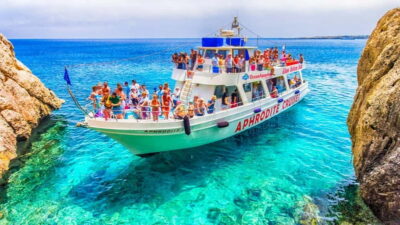
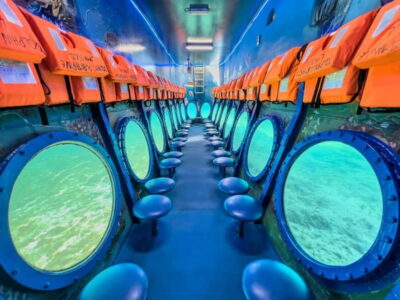
Cruise to Blue Lagoon, Turtle Cove & Sea Cave
Read our review →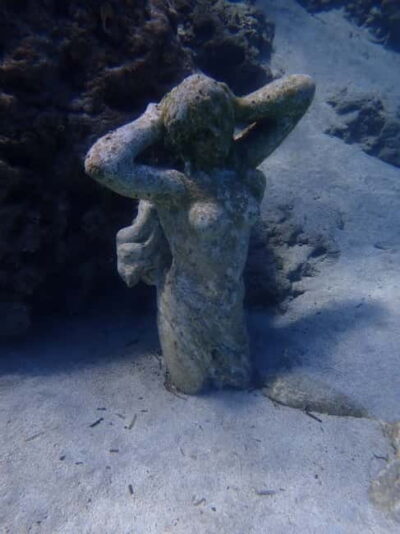
Introductory Scuba Lesson and Dive with Transfer
Read our review →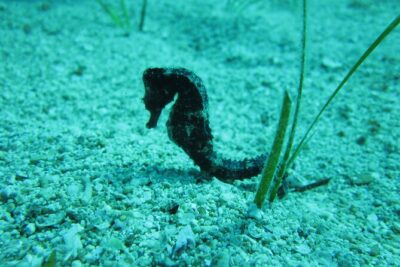
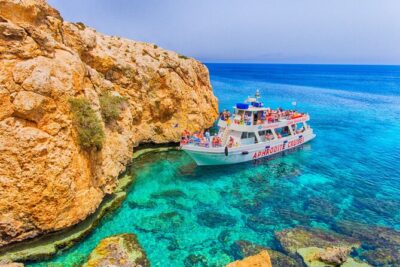
Famagusta, Blue Lagoon and Turtle Cove Boat Trip
Read our review →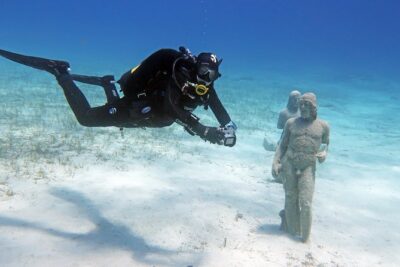
Browse the lists this tour appears in